
What players say
This puzzle game stays true to its classic roots while providing a polished, distraction-free experience. The core mechanic of arranging falling tiles is executed with precision, and the gradual speed increase offers a satisfying difficulty curve. The random piece generation ensures high replayability, making it ideal for both quick mental breaks and longer play sessions. Its clean visual design and straightforward controls make it accessible to all ages, while the strategic depth keeps it engaging for experienced players. A solid choice for anyone seeking a calm yet stimulating puzzle game.
About this game
Core Gameplay Loop
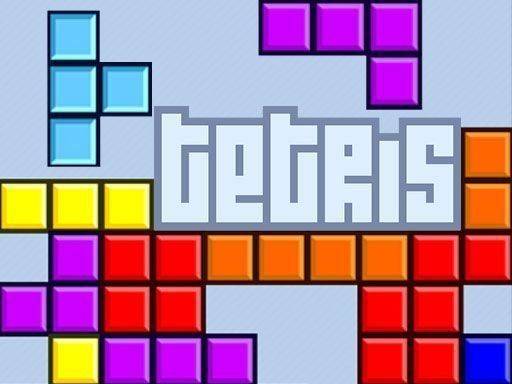
At its heart, this puzzle game revolves around a simple action: players guide a series of tile pieces into a rectangular play area. Each piece consists of four connected squares, and the primary objective is to position these pieces to form complete horizontal lines. When a line is completed, it disappears, creating more space and awarding points. The challenge lies in efficiently arranging pieces to prevent the stack from reaching the top of the screen. The game ends when the stack touches the top, making strategic placement essential for longer sessions.
Controls and Interaction
Players manipulate the falling pieces using keyboard arrows or on-screen buttons. Left and right controls shift the piece sideways, while an up control rotates it. A down control accelerates the piece's descent, useful for quick placements. The interface is designed for immediate responsiveness, allowing for precise movements. This straightforward control scheme ensures that players of all experience levels can pick up the game without a steep learning curve. The focus remains on the puzzle-solving aspect rather than complex input methods.
Progression and Difficulty
As players clear more lines, the game gradually increases the speed at which pieces fall. This progression adds a layer of difficulty, requiring quicker decision-making and more efficient planning. The random generation of piece sequences ensures that no two games are identical, providing endless replayability. Players must adapt their strategies on the fly, balancing the need to clear lines with the risk of creating uneven stacks. The increasing speed tests both spatial reasoning and reaction time, making each session a unique challenge.
Visual Design and Atmosphere
The visual presentation is clean and uncluttered, with a focus on clarity. The play area is clearly defined, and the tile pieces are distinct and easy to identify. This minimalist approach helps players concentrate on the puzzle without distractions. The color scheme is typically calm and non-intrusive, contributing to a relaxing atmosphere. Some versions may include a preview of the next piece, aiding in forward planning. The overall design prioritizes functionality and ease of play, making it suitable for extended sessions without visual fatigue.
Strategic Approaches
Effective play often involves keeping the stack as level as possible. Avoiding tall, uneven columns gives more flexibility for placing subsequent pieces. Using the next-piece preview, if available, allows players to plan a few moves ahead. Clearing multiple lines at once yields higher scores and can be a key strategy for achieving top results. Players should also practice rotating pieces quickly to fit them into tight spaces. Staying calm under pressure is important, as the increasing speed is part of the challenge. Regular practice helps improve both speed and accuracy over time.




Player comments
Sign in to comment
You must be logged in before posting a review or rating.
No account? Create one
No comments yet. Be the first to comment!