
What players say
Treasure Keeper Tactics succeeds in making resource management feel light and enjoyable. The colorful visuals and simple controls lower the barrier for newcomers, while the gradual introduction of new threat patterns keeps experienced players engaged. Each stage feels like a small puzzle that asks you to allocate limited supplies effectively. The lack of punishing failure encourages experimentation, which is a welcome design choice. For those seeking a relaxed yet mentally stimulating experience, this game delivers consistent satisfaction without demanding a large time commitment.
About this game
Core Planning & Resource Flow
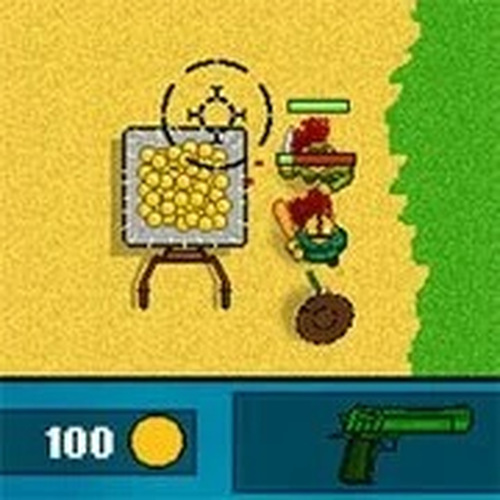
Treasure Keeper Tactics places you in charge of a valuable stockpile that others want to claim. Your main task involves deciding how to allocate limited supplies to create effective barriers and tools. Each session begins with a set amount of currency, which you must spend wisely on structures or upgrades. The challenge lies in balancing immediate needs against future demands. Spending too much early on might leave you vulnerable later, while being too conservative could allow intruders to slip through. This push-and-pull between short-term safety and long-term security forms the heart of the experience.
Enemy Patterns & Adaptive Play
Those who approach your stronghold follow distinct movement paths and behaviors. Some may rush straight ahead, while others take indirect routes or appear in groups. Observing these patterns becomes essential for placing your resources effectively. Early attempts might involve trial and error, but repeated play reveals consistent tendencies. You can then adjust your setup to counter specific approaches. This learning curve feels natural and rewarding, as each small success builds confidence. The game does not punish mistakes harshly, encouraging players to experiment with different layouts and strategies.
Visual Style & Atmosphere
The presentation uses bright, cheerful colors and simple shapes that make the action easy to follow. Characters and structures have a friendly, cartoon-like appearance that suits a broad audience. Animations are smooth without being distracting, and the interface remains clean throughout. Sound effects provide clear feedback for actions like placing an item or stopping an intruder. The overall tone stays light and inviting, avoiding any dark or intense themes. This makes the game suitable for shared family play or solo sessions where relaxation is a priority.
Progression & Difficulty Curve
As you advance, new scenarios introduce fresh obstacles that require updated thinking. Early stages serve as a gentle introduction, allowing you to grasp basic mechanics without pressure. Later levels combine multiple threat types, demanding more precise timing and resource allocation. The difficulty increases steadily, ensuring that players never feel overwhelmed too quickly. Each completed stage provides a sense of accomplishment and unlocks further content. This structured progression keeps the experience engaging over multiple play sessions, as there is always another challenge just ahead.
Accessibility & Replay Value
Controls are straightforward, relying on simple taps or clicks to place and activate items. No complex menus or tutorials are needed to get started. The game also offers optional hints for those who prefer guidance. Replaying earlier stages can be beneficial for refining your approach and earning additional resources. Because enemy patterns remain consistent, you can develop specialized strategies for each scenario. This design supports both casual players who enjoy a relaxed pace and more dedicated players seeking to optimize their performance. The result is a flexible experience that adapts to different play styles.




Player comments
Sign in to comment
You must be logged in before posting a review or rating.
No account? Create one
No comments yet. Be the first to comment!